
🥳 Events Blog
From Empty Room to Repeat Crowd: How Small Events Build Loyal Communities

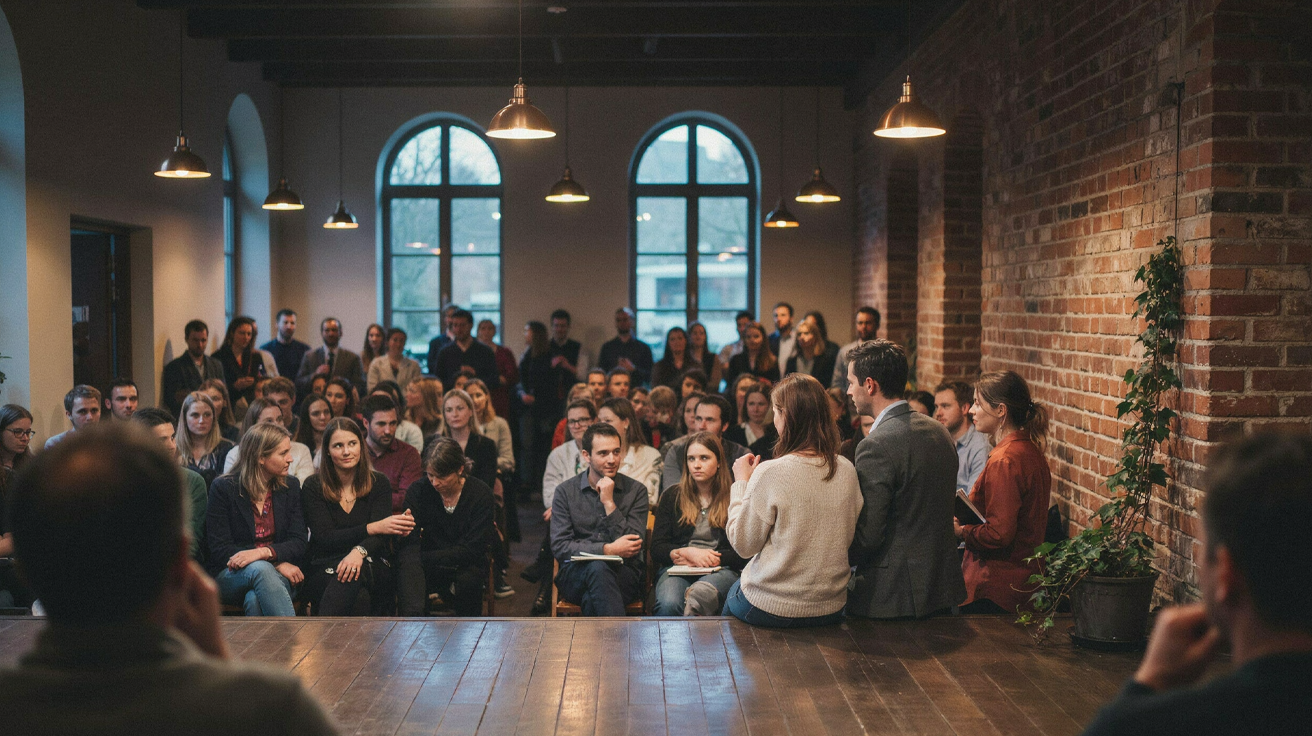
Every successful event community starts somewhere.
Sometimes it starts with a packed venue and a long waiting list.
But more often, it starts with an almost-empty room.
Maybe 20 people show up.
Then 30.
Then 50.
A few months later, those same people are bringing friends, posting photos, buying tickets early, and asking when the next event is.
That’s how a loyal event community is built.
Not overnight.
Not from one viral post.
But through consistency, recognition, great experiences, and giving people a reason to come back.
Here’s how organizers can turn small events into communities that grow over time.
🎟️ Don’t Judge Your Event by Its First Crowd
An empty or half-full room can feel discouraging.
But your first event isn’t necessarily about filling every seat.
It’s about finding your first group of people who genuinely enjoy what you’re creating.
Those first attendees can become:
- Repeat customers
- Word-of-mouth promoters
- Social-media advocates
- Reviewers
- Volunteers
- Partners
- Affiliate promoters
- Friends who bring friends
Your first 25 attendees could eventually become the foundation of your next 250.
The key is to treat them like the beginning of your community — not simply the people who happened to buy tickets.
🔄 Consistency Creates Familiarity
One of the easiest ways to build an event community is to keep showing up.
If people enjoyed your event, they need to know when they can expect the next one.
That might mean:
- A monthly comedy night
- A weekly trivia event
- A quarterly concert
- A recurring networking event
- A regular amateur sports event
- A monthly DJ night
- An annual festival
The specific schedule matters less than having a recognizable rhythm.
When people know that your event happens regularly, it becomes part of their calendar.
Instead of asking:
“Is there an event happening this month?”
they start asking:
“When is the next one?”
That’s a major shift.
🎨 Give Your Events a Recognizable Identity
Your audience should be able to recognize your event before they even read the name.
Think about creating a consistent visual identity across your events.
That could include:
- A recognizable logo
- Consistent colours
- Similar poster layouts
- Recurring event names
- Distinctive photography
- Consistent typography
- A recognizable stage setup
- A recurring host or MC
- Signature event elements
You don’t necessarily want every event to look identical.
Instead, create a family resemblance.
Someone should be able to scroll through Instagram and think:
“I know that event.”
That’s branding doing its job.
📸 Make Social Proof Part of Your Marketing
When you’re trying to convince someone to attend an event, saying “It’s going to be great!” only goes so far.
Showing them that other people already enjoyed it can be much more powerful.
After every event, collect content that demonstrates the experience.
For example:
- Photos of the crowd
- Audience reactions
- Short attendee videos
- Performer clips
- Testimonials
- Reviews
- Group photos
- Behind-the-scenes footage
- Highlights from the event
Then use that material to promote the next event.
Instead of telling potential attendees what your event is like, you can show them.
⭐ Ask Attendees What They Thought
Don’t assume you know what your audience enjoyed most.
Ask them.
A simple post-event survey can reveal things you might not expect.
You could ask:
What did you enjoy most?
What could we improve?
Would you attend another event?
What type of event would you like to see next?
Who would you like to see perform or speak?
The Local Ticket can be used to collect audience feedback through surveys, polls, and other interactive tools.
That information can help you make future events better — while also giving attendees a feeling that their opinions matter.
📧 Don’t Let Your Attendees Disappear After the Event
One of the biggest mistakes organizers make is focusing heavily on getting someone to buy a ticket and then essentially forgetting about them.
The event ends.
The customer disappears.
Then, months later, the organizer starts marketing the next event from scratch.
Instead, think of the ticket purchase as the beginning of the relationship.
After the event, you can follow up with appropriate communications such as:
“Thanks for coming.”
“Here are some photos from the event.”
“Tell us what you thought.”
“Here’s what’s coming next.”
“Early tickets are now available.”
The goal isn’t to bombard people.
It’s to stay connected.
❤️ Make First-Time Attendees Feel Like Regulars
Someone who attends your event for the first time should feel welcomed.
Small touches can make a difference.
For example:
- Greet people when they arrive
- Make check-in easy
- Have staff who can answer questions
- Introduce people to others
- Thank attendees personally
- Recognize returning guests
- Give people opportunities to participate
- Make the environment feel welcoming
You want someone leaving the venue thinking:
“That was fun. I’d come back.”
That’s much more valuable than simply getting them through the door once.
🗣️ Turn Attendees Into Word-of-Mouth Promoters
Your audience can become one of your most effective marketing channels.
If someone has a great experience, they may naturally tell:
- Friends
- Family
- Coworkers
- Social followers
- Community groups
- Professional contacts
Make that easier.
Give attendees something worth sharing.
That could be:
- Great photos
- A memorable performance
- A funny moment
- A unique venue
- An interactive experience
- A great story
- A recognizable event tradition
People don’t usually share advertisements.
They share experiences.
🤝 Build a Community Around the Event — Not Just the Event Date
A strong event brand doesn’t only exist for three hours on a Saturday night.
Give your audience opportunities to interact with your brand between events.
You could share:
- Behind-the-scenes content
- Performer announcements
- Event polls
- Trivia
- Audience questions
- Short interviews
- Event previews
- Throwback photos
- “Who should we book next?” polls
- Community highlights
This keeps the event in people’s minds even when there isn’t an event happening that day.
🎮 Give Your Audience Something to Participate In
Not every interaction needs to be a sales pitch.
Interactive content can help your audience feel involved.
For example, you could run a poll asking:
“Which performer should headline the next event?”
Or a quiz:
“How well do you know our event?”
Or event trivia:
“Who remembers what happened at our first show?”
These simple interactions can turn passive followers into active members of your community.
The Local Ticket’s built-in quizzes, polls, trivia, and surveys can be used before, during, and after events to keep audiences involved.
📣 Use Your Best Attendees to Help Grow the Crowd
Eventually, some people will become more than attendees.
They’ll become advocates.
They might regularly:
- Share your events
- Invite friends
- Post event photos
- Recommend your shows
- Bring groups
- Promote upcoming events
You can formalize this with an affiliate or referral program.
The Local Ticket’s built-in affiliate network gives organizers a way to let performers, promoters, partners, and other supporters share trackable ticket links.
That means you can see which people are actually helping generate ticket sales.
And you can reward them accordingly.
📈 Watch the Crowd Grow Event by Event
Imagine your event starts like this:
Event #1 — 24 attendees
Event #2 — 31 attendees
Event #3 — 43 attendees
Event #4 — 57 attendees
Event #5 — 76 attendees
None of those individual jumps looks spectacular.
But look at the bigger picture.
You’ve gone from 24 people to more than 3× that audience.
More importantly, some of those original attendees may still be showing up.
That’s the beginning of a community.
🧠 Learn Who Your Regulars Are
Your ticketing and audience data can help you understand the people coming to your events.
Look for patterns such as:
- Repeat attendees
- People attending multiple event types
- Customers who buy early
- Customers who bring friends
- Referral sources
- Popular event categories
- Popular dates and times
- Audience feedback
- Geographic patterns
You don’t need to turn your audience into a spreadsheet.
But understanding the patterns can help you make better decisions.
For example, if your most engaged attendees consistently come back for Saturday evening events, that could be useful information when planning your next event.
🎁 Give People a Reason to Come Back
You don’t always need complicated loyalty programs.
Sometimes the incentive can simply be:
“Because you came to the last one, you get early access to the next one.”
Other possibilities include:
- Early ticket access
- Special pricing
- VIP upgrades
- Exclusive content
- Member-only announcements
- Meet-and-greet opportunities
- Limited-edition merchandise
- Referral rewards
The objective is to make returning feel valuable.
🔥 Create Traditions People Look Forward To
Some of the strongest event communities develop traditions.
Maybe every event ends with the same song.
Maybe there’s a recurring audience competition.
Maybe the host always asks the crowd the same question.
Maybe there’s an annual theme.
Maybe the audience votes on something at every event.
These recurring elements create familiarity.
Eventually, people aren’t just attending an event.
They’re participating in something they recognize.
🏆 Celebrate Your Community
If someone has attended five events, recognize them.
If someone brought 20 friends, thank them.
If someone has supported your event from the beginning, acknowledge them.
You could create simple moments like:
“Founding Attendee”
“Community MVP”
“Top Promoter”
“Five-Event Club”
The recognition doesn’t have to be expensive.
People like knowing that their support is noticed.
📊 Measure More Than Ticket Sales
Ticket sales are obviously important.
But when you’re building a community, look beyond the number of tickets sold.
Track things like:
Repeat attendance
Referral sales
Survey responses
Social engagement
Email engagement
Audience feedback
Number of people bringing friends
Early ticket purchases
These indicators can tell you whether you’re building an audience that is simply buying tickets or an audience that is becoming genuinely connected to your events.
🗓️ The Simple Repeat-Attendee Formula
If you want to turn small events into a growing community, think about this cycle:
1. 🎟️ Get Them There
Make the first event worth attending.
2. ❤️ Give Them a Great Experience
Make people want to return.
3. 📸 Give Them Something to Share
Capture the moments that demonstrate the experience.
4. 📝 Ask for Feedback
Find out what worked and what didn’t.
5. 📧 Stay Connected
Don’t let the relationship end when the event does.
6. 🎉 Announce What’s Next
Give people another reason to engage.
7. 🤝 Encourage Referrals
Make it easy for happy attendees and partners to bring others.
8. 🔄 Repeat
Keep improving and keep showing up.
That’s how a crowd becomes a community.
🎟️ From Your First 20 Attendees to Your Next 200
Every major event community had a first event.
Someone had to open the doors before they knew whether people would come.
Someone had to perform to the first crowd.
Someone had to sell the first ticket.
And someone had to decide to do it again.
Don’t underestimate those first attendees.
They could become your most valuable audience members because they experienced your event before it was established.
Treat them well.
Listen to them.
Stay connected with them.
Give them reasons to return.
Give them reasons to bring friends.
And keep improving the experience.
🚀 Build the Community, Not Just the Event
The biggest opportunity for an organizer isn’t simply selling more tickets to the next event.
It’s creating an audience that wants to come back.
Consistency gives people familiarity.
Branding gives them recognition.
Great experiences give them something to talk about.
Social proof shows new people what they’re missing.
Follow-up keeps the relationship alive.
Interactive tools give your audience a voice.
And referral and affiliate tools can turn your biggest supporters into an extension of your promotional team.
That’s the difference between hosting events and building an event community.
Your first event might have 20 people.
Your next one might have 30.
Then 50.
Then 100.
And eventually, you may look around the room and realize something important:
You’re not trying to build an audience anymore.
You’ve built a community.