
🥳 Events Blog
The Event Organizer’s 30-Day Ticket-Sales Plan

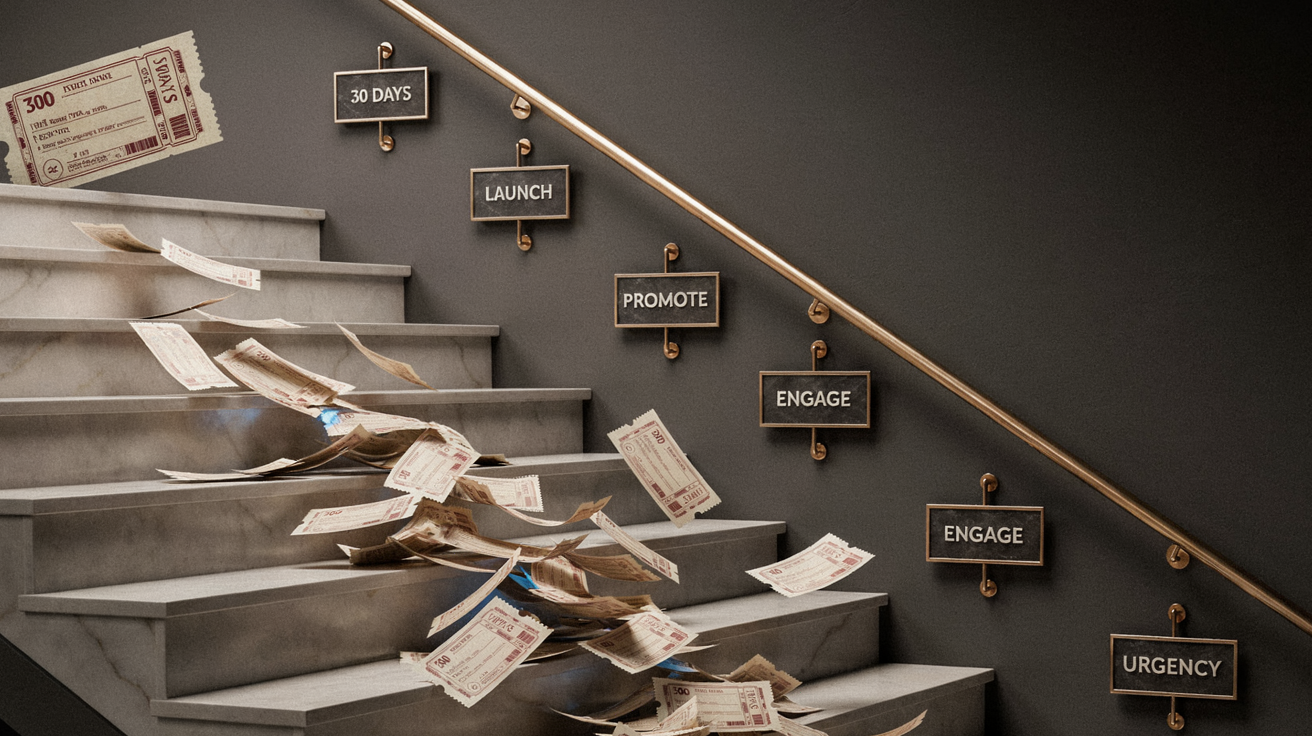
Your week-by-week promotion schedule from launch day to event day.
Selling tickets to an event takes more than creating a poster and hoping people show up.
Whether you’re organizing a boxing show, concert, comedy night, sports tournament, fundraiser, or community festival, your ticket sales depend on getting the right people excited, reaching them at the right time, and giving them a reason to buy.
The good news? You don’t need to promote everything at once.
A well-planned 30-day ticket-sales strategy can help you build awareness, create urgency, engage your audience, and turn interest into ticket purchases.
At The Local Ticket, we believe event organizers should have the tools to do more than list an event. With ticketing, interactive trivia, quizzes, polls, surveys, and a built-in affiliate network, you can create a promotional strategy that keeps your audience engaged from launch day to the final countdown.
Here’s a practical 30-day ticket-sales plan to help you promote your next event.
📅 Your 30-Day Ticket-Sales Timeline
Before we get into the details, here’s the overall schedule.
| Time | Main objective |
|---|---|
| Days 30–24 | Launch and create awareness |
| Days 23–17 | Build excitement and drive early sales |
| Days 16–10 | Expand reach and maintain momentum |
| Days 9–4 | Create urgency and increase conversions |
| Days 3–1 | Last-call promotion |
| Event day | Deliver the experience and prepare for the next event |
The goal is to give your audience multiple opportunities to discover your event, engage with your content, and purchase tickets.
You are not just promoting one event for 30 days. You are building a promotional rhythm that can be reused for future events.
🚀 Week 1: Launch Your Event and Build Awareness
Days 30–24
The first week is about making your event known.
You have 30 days to sell tickets, so your launch should give people a clear understanding of what the event is, why it matters, and how to attend.
🎟️ Day 30: Launch Day
Your event is officially live.
This is when you want to make a strong first impression.
Your event listing should clearly communicate:
- Event name.
- Date and time.
- Venue and location.
- Performers, athletes, or featured guests.
- Ticket types and prices.
- What attendees can expect.
- How to purchase tickets.
Make sure your ticket link is easy to find and works properly on mobile devices.
Launch-day content ideas
Create a launch announcement that includes:
Main announcement: “Tickets are officially on sale!”
Event highlight: Introduce the headline performer, main matchup, or biggest attraction.
Call to action: “Get your tickets now.”
Visual content: Use a professional event poster, teaser video, or image that captures attention.
For a boxing event, you might announce the main fight card.
For a concert, you could reveal the lineup.
For a comedy show, introduce the headliner.
For a community event, showcase the activities and experiences attendees can expect.
📢 Day 29–28: Announce Across Your Channels
Share your event through the channels where your audience is most active.
Consider:
- Instagram.
- Facebook.
- TikTok.
- Email.
- Your website.
- Performer social media.
- Community groups where promotion is appropriate.
- Local business partnerships.
Don’t rely on just one post.
People may miss your announcement, so give them multiple opportunities to discover the event.
🤝 Day 27–26: Activate Your Affiliate Network
Your performers, athletes, partners, and loyal supporters may have audiences of their own.
This is the time to invite eligible affiliates to help promote tickets.
With The Local Ticket’s built-in affiliate network, organizers can provide referral links to approved promoters and track eligible ticket sales through the affiliate system.
For example:
- A performer shares their personal event link.
- A fighter promotes the event to their fans.
- A community partner shares tickets with their audience.
- A loyal supporter invites friends to attend.
Depending on your commission terms, eligible affiliates can earn a commission on tracked ticket sales.
📊 Day 25–24: Create Your First Audience Interaction
Give your audience something fun to do.
Use a poll, quiz, or trivia activity to build interest.
Examples:
Boxing event: “Which matchup are you most excited to see?”
Concert: “Which performer are you looking forward to the most?”
Sports tournament: “Which team are you cheering for?”
Comedy show: “Which comedian should headline our next event?”
Interactive content can help keep your audience involved while providing useful insights for future event planning.
Week 1 goal
Create awareness, launch your tickets, and give your audience a reason to pay attention.
🔥 Week 2: Build Excitement and Drive Early Sales
Days 23–17
Your event is no longer brand new.
Now your focus shifts toward building excitement, encouraging early purchases, and reaching people who may have seen your launch announcement but haven’t bought tickets yet.
This is where early-bird offers and consistent content can help.
🎟️ Day 23–21: Promote Your Early-Bird Offer
Early-bird pricing can encourage people to purchase tickets sooner rather than waiting until the last minute.
For example:
- Regular ticket: $40.
- Early-bird ticket: $30.
- Early-bird deadline: 7 days.
The specific price and deadline will depend on your event.
The important thing is to make the offer clear.
Example early-bird announcement
“🎟️ Early-bird tickets are now available!
Get your tickets to [Event Name] before the early-bird deadline and save.
📅 Event date: [Date]
📍 Location: [Venue]
🎟️ Grab your tickets today.”
Only advertise a discount or deadline that is real and that you intend to honour.
Why early-bird offers can help
An early-bird offer can:
- Give your audience a reason to purchase now.
- Help generate early ticket revenue.
- Create a clear promotional deadline.
- Give you an initial indication of demand.
- Help build momentum for the event.
Early-bird pricing is not the only way to drive sales, but it can be a useful part of your strategy.
📱 Day 20–19: Share Content That Sells the Experience
People want to know what they are getting when they buy a ticket.
Instead of posting the same event poster every day, show them what makes the event worth attending.
Content ideas for this week
🎤 Performer spotlight
Introduce the artists, speakers, athletes, or entertainers appearing at your event.
🥊 Matchup preview
For a boxing event, highlight an upcoming fight and explain why fans may be interested.
🎬 Behind-the-scenes video
Show event preparation, rehearsals, venue setup, or interviews.
📸 Venue spotlight
Show the venue, seating, atmosphere, or location.
🎟️ Ticket reminder
Remind people where to buy tickets and highlight any active offers.
Content formula
A simple formula for event content is:
Attention → Value → Action
For example:
- Attention: “This matchup is one fans have been waiting for.”
- Value: Explain the fighters, performers, or experience.
- Action: “Get your tickets for [Event Name].”
Every post doesn’t need to be a hard sales pitch. But your audience should always have a clear way to find the event.
📊 Day 18–17: Run an Interactive Audience Campaign
This is a great time to use The Local Ticket’s interactive tools.
Create a fun quiz, poll, or trivia activity connected to your event.
Examples
Concert: “How well do you know the headliner?”
Boxing: “Test your boxing knowledge.”
Sports: “Predict the next matchup.”
Festival: “Which activity are you most excited about?”
You can also use surveys to collect audience preferences.
For example:
“What type of event would you like us to organize next?”
This gives your audience a reason to interact while helping you learn what interests them.
Week 2 goal
Build excitement, generate early sales, and give people more reasons to attend.
📣 Week 3: Expand Your Reach and Maintain Momentum
Days 16–10
By the third week, your event should have a promotional rhythm.
You have launched the event, shared content, activated affiliates, and started building audience interest.
Now it’s time to expand your reach and maintain momentum.
🤝 Day 16–14: Grow Your Promotional Team
Your affiliate network can become an important part of your ticket-selling strategy.
Reach out to people who can help promote the event.
Potential affiliates may include:
- Performers.
- Athletes.
- Coaches.
- Community partners.
- Local influencers.
- Event supporters.
- Approved ticket promoters.
Give eligible affiliates the information they need:
- Event poster.
- Event description.
- Ticket link.
- Referral link.
- Commission terms.
- Key promotional dates.
Example affiliate message
“Hey! We’re promoting [Event Name] and would love your help getting the word out.
We’ve set up a referral link for eligible promoters so you can share tickets with your audience and earn commissions on qualifying sales.
Here are the event details and your promotional link.
Let’s fill the venue!”
Make it easy for your promoters to share the event.
The easier it is to participate, the more likely they are to promote consistently.
📱 Day 13–12: Share Social Proof and Event Highlights
People often want reassurance before buying tickets.
Show them that your event is worth attending.
Content ideas include:
- Highlights from previous events.
- Photos of performers.
- Testimonials from past attendees, with permission.
- Videos from previous shows.
- Venue photos.
- Behind-the-scenes preparation.
- Announcements about featured performers.
If this is your first event, focus on what makes the upcoming experience exciting.
If you’ve organized events before, show people what they can expect.
Example
“Last event was unforgettable. We’re bringing the energy back for [Event Name].
🎟️ Tickets are available now.
📅 [Date]
📍 [Venue]
Don’t miss it.”
Use authentic content whenever possible.
🎉 Day 11: Create a Fun Audience Poll
Give your audience a reason to participate.
For example:
“What should we add to the next event?”
- More live entertainment.
- More audience games.
- More performers.
- More food options.
- More activities.
You could also create an event prediction poll.
For a sports event:
“Who will win?”
For a concert:
“Which performer will get the biggest crowd reaction?”
For a comedy show:
“Which comedian are you most excited to see?”
Interactive polls can create engagement and help you learn more about your audience.
🎟️ Day 10: Promote Your Ticket Deadline
If your early-bird offer is ending, make the deadline clear.
Example:
“⏰ Early-bird tickets end tomorrow!
Get your tickets to [Event Name] before the offer expires.
🎟️ Buy now and save.”
If early-bird pricing has already ended, promote the next available ticket option honestly.
Week 3 goal
Reach more people, keep your audience engaged, and turn interest into ticket purchases.
⚡ Week 4: Create Urgency and Drive Final Ticket Sales
Days 9–4
Your event is getting closer.
This is when you want to increase the frequency of your reminders while keeping your content useful and engaging.
The goal is not to overwhelm your audience. It’s to make sure interested people know the event is approaching and understand how to get tickets.
📢 Day 9–8: Start the Countdown
Begin your official event countdown.
Examples:
- 9 days to go.
- 8 days to go.
- One week until event day.
Countdown content ideas
🎟️ Ticket reminder
“Only 9 days until [Event Name]. Have you got your tickets?”
🎬 Video countdown
Share a short clip of the venue, performer, or event preparation.
📸 Performer announcement
Highlight another person appearing at the event.
📊 Audience poll
Ask a fun question related to the event.
🤝 Affiliate reminder
Encourage eligible promoters to continue sharing their referral links.
🔥 Day 7: One Week to Go
This is a strong opportunity for a major promotional push.
Create a post that brings together the key event details.
Example one-week announcement
“🔥 ONE WEEK TO GO!
[Event Name] is happening next week!
Get ready for an exciting night of entertainment, great performances, and an unforgettable experience.
📅 Date: [Date]
📍 Venue: [Venue]
🎟️ Tickets: [Ticket Link]
Bring your friends and join us!”
Why this post matters
People who have been thinking about attending may now realize the event is approaching.
Your audience may also share the post with friends who haven’t heard about it yet.
📱 Day 6–5: Share Your Best Content
Use your strongest event content during the final week.
This might include:
- Your best performer video.
- A compelling event trailer.
- A venue walkthrough.
- A behind-the-scenes clip.
- A highlight reel.
- A fun audience quiz.
- A ticket reminder.
Try different content formats instead of posting the same graphic repeatedly.
🎟️ Day 4: Make Ticket Information Easy to Find
People should not have to search for how to buy tickets.
Make sure your promotional content clearly shows:
- Event date.
- Venue.
- Ticket link.
- Ticket prices.
- Remaining availability, if accurate.
- Any relevant entry or seating details.
Week 4 goal
Create urgency, make buying easy, and convert interested people into ticket buyers.
🚨 Final Countdown: Last-Call Ticket Pushes
Days 3–1
The final three days are about making sure your audience knows the event is almost here.
This is not the time to disappear from social media.
Keep your communication active and focused.
🚨 Day 3: Three Days to Go
Share a strong reminder.
Example:
“🚨 ONLY 3 DAYS LEFT!
The countdown is on for [Event Name].
Have you got your tickets yet?
🎟️ Get yours today and join us!”
You can also share:
- Performer reminders.
- Venue information.
- Audience polls.
- Event preparation videos.
- Ticket availability updates.
⏰ Day 2: Two Days to Go
Your audience may be making weekend plans.
Give them a clear reason to attend.
Example:
“⏰ TWO DAYS TO GO!
Get ready for [Event Name].
Bring your friends, enjoy the experience, and make it a night to remember.
🎟️ Tickets are still available: [Ticket Link]”
You could also send an email reminder to people who have opted in to receive event updates.
🔥 Day 1: Tomorrow Is Event Day
Your final pre-event push should be clear and direct.
Example:
“🔥 TOMORROW!
[Event Name] is happening tomorrow!
Don’t miss out on the action.
📅 [Date]
📍 [Venue]
🎟️ Get your tickets now!”
You can also include practical information such as:
- Doors open time.
- Event start time.
- Parking information.
- Venue address.
- Ticket instructions.
- Any important attendee information.
Be accurate with urgency
Use genuine deadlines and availability information.
Avoid claiming tickets are almost sold out unless that is true.
Trust matters. Your audience should feel confident that your event information is reliable.
🎉 Event Day: Turn Ticket Buyers Into Your Next Audience
The promotion doesn’t end when event day arrives.
In fact, event day is one of your best opportunities to create content and build relationships for your next event.
📸 Capture the Experience
With appropriate permissions, capture:
- Audience reactions.
- Performances.
- Event highlights.
- Behind-the-scenes moments.
- Venue atmosphere.
- Special moments.
- Audience participation.
These moments can become content for your next promotion.
📊 Run a Live Poll or Quiz
Give your audience something fun to participate in.
Examples:
- Event trivia.
- Audience favourite performer poll.
- MVP voting.
- Prediction games.
- Audience choice awards.
The Local Ticket’s interactive tools can help create these experiences.
🤝 Recognize Your Affiliates
Thank the people who helped promote your event.
This includes performers, partners, volunteers, and eligible affiliates.
Recognizing their contribution can help strengthen your promotional relationships for future events.
🎟️ Start Building Your Next Event
If you already know your next event date, you can begin promoting it.
If not, collect feedback and audience preferences to help plan what comes next.
Ask:
“What event should we organize next?”
Your current attendees may become your future ticket buyers.
📈 How to Measure Your 30-Day Ticket-Sales Campaign
A promotion plan is more useful when you know what worked.
At the end of your campaign, review your results.
Important metrics to track
🎟️ Total tickets sold
How many tickets were sold during the campaign?
📅 Sales by week
Which week generated the most ticket sales?
🤝 Affiliate ticket sales
Which eligible affiliates generated sales through their referral links?
📱 Content engagement
Which posts, videos, quizzes, and polls received the most attention?
📊 Audience feedback
What did people say about the event?
📈 Repeat interest
How many attendees expressed interest in future events?
Learn from your results
For example, you might discover:
- Your early-bird offer generated strong initial sales.
- Performer videos performed better than static posters.
- A poll created a lot of audience engagement.
- One affiliate generated significant ticket sales.
- Your final countdown helped drive last-minute purchases.
These insights can help you improve your next event.
Every event gives you data that can make the next one better.
🛠️ How The Local Ticket Helps Organizers Grow Events
At The Local Ticket, we want event organizers to have more than a place to sell tickets.
We want to help you create an audience-building system around your events.
🎟️ Ticketing
Create event listings and give your audience a place to discover and purchase tickets.
📊 Interactive quizzes, trivia, polls, and surveys
Engage your audience before, during, and after events.
Create fun event games, collect audience feedback, and learn more about what people want to see next.
🤝 Built-in affiliate network
Invite eligible performers, partners, and promoters to share referral links and earn commissions on qualifying ticket sales according to your program terms.
📈 Event growth
Use ticket sales, audience insights, and promotional results to help improve future events.
The more you learn about your audience, the more opportunities you have to create better events.
📋 Your Complete 30-Day Ticket-Sales Checklist
Use this checklist to stay on track.
Week 1: Launch
-
Launch your event listing.
-
Confirm ticket pricing and availability.
-
Announce the event across your channels.
-
Share the event with performers and partners.
-
Set up your affiliate network.
-
Create a pre-event poll or quiz.
Week 2: Build Excitement
-
Promote your early-bird offer.
-
Share performer spotlights.
-
Publish behind-the-scenes content.
-
Share venue information.
-
Run an interactive quiz or poll.
-
Remind your audience about tickets.
Week 3: Expand Reach
-
Recruit more eligible affiliates.
-
Share event highlights and social proof.
-
Post audience engagement content.
-
Send a ticket reminder.
-
Promote any genuine ticket deadlines.
-
Review early sales and engagement.
Week 4: Create Urgency
-
Start your event countdown.
-
Share your strongest content.
-
Send ticket reminders.
-
Highlight event details.
-
Encourage affiliates to promote.
-
Make your ticket link easy to find.
Final 3 Days
-
Post a 3-day reminder.
-
Post a 2-day reminder.
-
Post a 1-day reminder.
-
Share event-day information.
-
Prepare your audience engagement activities.
-
Get ready to capture event highlights.
🌟 Final Thoughts: A Great Event Starts Before Event Day
Selling tickets is not just about promoting your event once.
It is about creating a consistent promotional strategy that builds awareness, creates excitement, and gives people multiple opportunities to attend.
Your first announcement gets attention.
Your early-bird offer encourages action.
Your content shows people what to expect.
Your affiliate network helps expand your reach.
Your quizzes, polls, and surveys keep your audience engaged.
Your final countdown reminds people that the event is almost here.
And event day gives you the opportunity to create an experience that brings people back.
At The Local Ticket, we believe event organizers should have the tools to do more than sell tickets.
You should be able to engage your audience, collect feedback, reward promoters, and build momentum from one event to the next.
Because the best event promotion doesn’t end with ticket sales.
It helps build the audience for your next event. 🚀
Ready to promote your next event?
Create your event on The Local Ticket and explore built-in ticketing, trivia, quizzes, polls, surveys, and affiliate tools designed to help you engage your audience and grow your events.
🎟️ The Local Ticket — Your Community. Your Events. Your Tickets.