
🥳 Events Blog
How to Turn One Event Into an Audience for Your Next Five Events

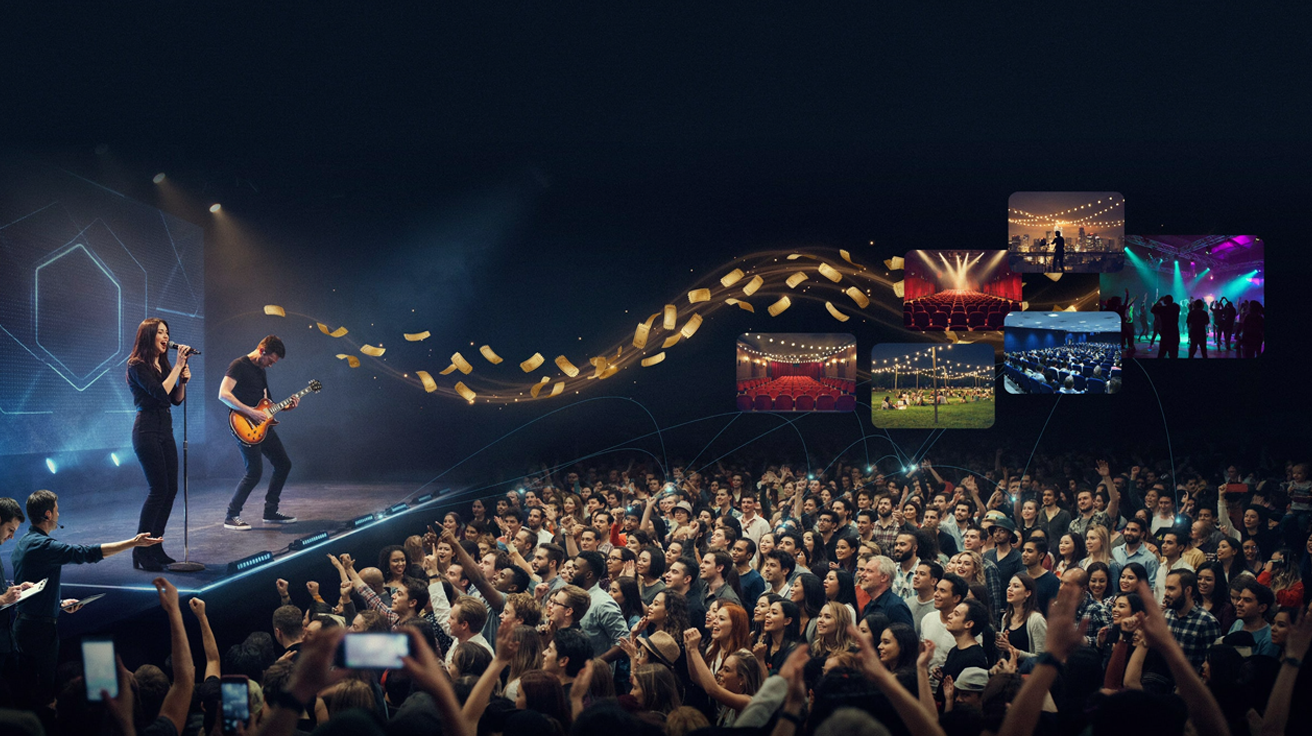
Your event is not just one night. It’s the beginning of your next five. 🎟️
Stop starting from scratch. Build an audience that comes back, brings friends, and helps your events grow.
What if your next event could do more than sell tickets?
What if it could help you build a community of loyal fans, create new promotional partnerships, collect valuable audience insights, and make your next five events easier to market?
For event organizers, the end of an event often feels like the beginning of another long marketing process. You celebrate the success, pack up the venue, thank your performers, and then start thinking about how to fill the next one.
But what happens to everyone who attended?
The fans who cheered, the families who came out, the people who enjoyed the show, and the performers who helped bring the crowd together?
They represent something much bigger than a single night of ticket sales.
They represent your future audience.
At The Local Ticket, we believe event organizers should have the tools to turn one event into an ongoing audience-building opportunity. From interactive trivia and quizzes to polls, surveys, and a built-in affiliate network, your events can become more engaging, more connected, and easier to grow.
Here’s how to turn your next event into the foundation for your next five.
🎟️ 1. Your Event Is More Than a Ticket Sale
Selling tickets is important. But a successful event should also create relationships.
Whether you organize concerts, boxing shows, comedy nights, sports tournaments, fundraisers, or community festivals, every attendee has the potential to become a returning customer.
Think about it.
Someone who attends your concert may want to see your next performer. A fan who comes to your boxing event may be interested in your next fight night. A family that attends your community festival may want to return next year.
The challenge is staying connected with those people after the event is over.
Instead of treating each event as a separate promotion, start thinking of your events as a series.
Build a recognizable event brand
Your audience should know what to expect from you:
- Great entertainment.
- Memorable experiences.
- Events worth sharing.
- Opportunities to participate.
- A reason to come back.
The more consistently you deliver on that experience, the easier it becomes to build recognition and trust.
Your first event introduces people to your brand. Your next event gives them a reason to return. Over time, your audience can become a community that follows your events wherever they go.
The goal isn’t just to sell tickets today. It’s to build relationships that support future events.
📊 2. Start Collecting Audience Insights Before the Event
One of the most valuable things an event organizer can learn is what their audience actually wants.
What performers do they enjoy? What type of event would they attend next? What time works best? What did they like about the last event?
You can guess the answers, or you can ask.
The Local Ticket’s interactive tools give organizers opportunities to engage their audience through trivia, quizzes, polls, and surveys.
These activities can be used to create excitement before an event while helping you gather useful information.
Pre-event polls that build anticipation
Imagine you’re organizing a boxing event.
Before the event, you could create a poll asking:
“Which matchup are you most excited to see?”
Or:
- Who is your favourite fighter on the card?
- Which future matchup would you like to see?
- Would you attend another event at this venue?
- How did you hear about our event?
For a concert, you might ask:
- Which performer are you most excited to see?
- What type of music would you like at our next show?
- Would you attend another concert with this lineup?
For a sports tournament:
- Which team are you cheering for?
- What other tournaments would you attend?
- What time would you prefer future games to start?
These interactions help create anticipation and give your audience a voice.
Why this matters
Audience information can help you make better decisions about future events, promotions, scheduling, and programming.
It can also help you create more relevant follow-up communication, provided you collect information with appropriate consent and respect privacy requirements.
The more you understand your audience, the more effectively you can plan for them.
🎉 3. Turn Your Audience Into Part of the Experience
The best events are not always the ones with the biggest crowds.
They are often the ones where people feel involved.
An audience that participates, cheers, votes, laughs, and interacts is more likely to feel connected to the experience.
That’s where interactive event games can make a difference.
Add fun with trivia and quizzes
Imagine attending a live event and scanning a QR code to participate in a trivia challenge.
You could be answering questions about the performer, the sport, the venue, or the event itself.
At a boxing show, you might test fans on boxing history.
At a concert, you could run trivia about the headliner.
At a sports tournament, you could create team challenges or audience predictions.
These activities can be used before the show, during breaks, or after the event.
Give your audience a voice with polls
Polls can turn spectators into participants.
Try questions such as:
- Who was your favourite performer?
- Which moment did you enjoy most?
- What should we bring to the next event?
- Which artist or athlete would you like to see again?
You can also use polls as part of your event entertainment.
For example, an audience could vote for a favourite performance, choose between activities, or participate in a fun event-related challenge.
When your audience participates, they become more than spectators. They become part of the event.
🔄 4. Turn First-Time Attendees Into Returning Fans
Getting someone to attend your first event is a win.
Getting them to come back for your second, third, fourth, and fifth events is where long-term audience growth begins.
But people need to know when your next event is happening.
They also need a reason to care.
Don’t let the conversation end when the event does
After your event, continue the relationship through:
- Thank-you messages.
- Event photos and highlights.
- Announcements about upcoming events.
- Audience polls and surveys.
- Interactive trivia.
- Early access to future ticket announcements.
- Relevant updates for people who have opted in.
For example, imagine you organize a concert attended by 300 people.
After the event, you share highlights and ask attendees which performers they would like to see next.
You discover that a large portion of the audience is interested in another concert at the same venue.
When your next event is ready, you can reconnect with the people who expressed interest.
Instead of starting with a blank audience, you have an existing group of people who already know your brand.
Build a reason to return
Your next event could offer something new:
- A different performer lineup.
- A bigger main event.
- A new venue.
- A special guest.
- An interactive audience experience.
- A new event format.
The key is to give people something to look forward to.
One great event can create interest. Consistent engagement helps turn that interest into repeat attendance.
🤝 5. Turn Performers and Partners Into Your Ticket-Selling Team
Here’s an opportunity many event organizers overlook.
Your performers, athletes, community partners, and loyal fans may already have audiences of their own.
Instead of asking everyone to simply share your event poster, give them a way to actively participate in promoting ticket sales.
The Local Ticket’s built-in affiliate network
The Local Ticket includes a built-in affiliate network designed to help event organizers work with promoters and reward eligible affiliates through commission-based ticket sales.
You can invite performers, partners, and other approved promoters to share their own referral links.
When tickets are sold through those links, the affiliate system can track the associated sales and support your commission program.
Imagine your next event
Let’s say you’re organizing a live boxing show.
Your event includes:
- 6 fighters.
- 2 trainers or gym partners.
- 1 headline performer.
- 3 community partners.
- A few loyal fans who regularly promote local events.
Each person has their own network.
Their friends, family, followers, gym members, and supporters may be interested in attending.
With an affiliate program, you can give eligible promoters a way to help sell tickets and earn commissions according to your terms.
Why affiliate promotion can help
Your performers have a personal connection to the event.
Their fans want to support them.
Your partners have an audience they can reach.
Your loyal fans may want to help bring more people to the show.
Affiliate tracking helps you understand where ticket sales are coming from while giving approved promoters a reason to actively participate.
Build long-term promotional relationships
Your affiliate network doesn’t have to be used for just one event.
A performer who helps promote your first show could become a promoter for your next five.
A community partner who generates ticket sales could become a recurring event partner.
A loyal fan could eventually become one of your most active affiliates.
Your event’s promotional team can grow alongside your audience.
🚀 6. Use One Event to Build Momentum for the Next Five
A long-term event strategy doesn’t mean you need to know every detail of your next five events today.
It means you should start using each event to improve the next one.
Here’s a practical five-event growth plan.
Event #1: Create a Great First Experience
Your first event is about establishing your brand and learning about your audience.
Focus on:
- Delivering an enjoyable event.
- Creating memorable audience experiences.
- Setting up interactive quizzes, polls, or trivia.
- Inviting eligible affiliates to promote tickets.
- Collecting feedback.
- Recording what worked and what needs improvement.
Your goal: Create an event people want to remember and attend again.
Event #2: Bring Your Audience Back
Now it’s time to reconnect with your first audience.
Share highlights from Event #1. Thank attendees. Announce your next event when ready.
Use your feedback to make improvements.
If your audience wanted a different start time, consider adjusting the schedule.
If they loved a particular performer, explore bringing them back.
If they enjoyed the trivia or polls, create new activities.
Your goal: Build on the relationships created at Event #1.
Event #3: Expand Your Promotional Reach
By your third event, you can start expanding your promotional network.
Invite more performers and partners into your affiliate program.
Encourage existing affiliates to promote the next event.
Explore partnerships with local businesses, community organizations, and other relevant groups.
Use interactive content to attract new attention while keeping your existing audience engaged.
Your goal: Reach new people without losing connection with your original audience.
Event #4: Strengthen Your Community
By Event #4, you may have a growing group of returning attendees, promoters, performers, and partners.
Now you can focus on building a stronger sense of community.
Try:
- Regular audience polls.
- Fan trivia.
- Performer spotlights.
- Audience choice awards.
- Event prediction games.
- Surveys about future events.
You can also start recognizing the people who consistently support your events.
Your goal: Make your audience feel like they belong to something ongoing.
Event #5: Create a Repeatable Growth System
By the fifth event, you should have a better understanding of your audience and what helps your events succeed.
You can use that experience to build a repeatable process:
- Announce your event.
- Engage your audience.
- Invite affiliates and partners.
- Sell tickets.
- Deliver a great experience.
- Collect feedback.
- Follow up with attendees.
- Promote your next event.
Every event gives you more experience, more insights, and more opportunities to improve.
Your fifth event should build on the first four—not start from zero.
💡 7. Use Feedback to Make Every Event Better
Your audience can tell you things that your event team may not notice.
Maybe the lineup was great, but the event started too late.
Maybe attendees loved the performers but wanted more activities during breaks.
Maybe people enjoyed the venue but wanted better seating options.
Maybe your next event should feature a different style of entertainment.
Feedback helps you discover these opportunities.
Ask questions that lead to useful answers
Instead of simply asking:
“Did you like the event?”
Try asking:
- What was your favourite part?
- What could we improve?
- Which future events would you attend?
- Would you recommend us to a friend?
- What did you think of the venue?
- What type of entertainment would you like next?
- How did you hear about the event?
For sports and combat events, you could ask about matchups, scheduling, and the overall experience.
For concerts, you could ask about performers, music styles, and future lineups.
For community festivals, you could ask about activities, vendors, and family experiences.
Make feedback part of your event process
A simple feedback loop can help you build better events:
Ask → Learn → Improve → Repeat.
The Local Ticket’s polls and surveys can help organizers collect audience opinions before and after events.
You can use those insights to guide future planning, test ideas, and understand what your audience values.
Not every suggestion will be possible to implement. But asking the questions is a valuable step toward improving the experience.
🏆 8. Reward the People Who Help Your Events Grow
Your audience is important.
So are the people who help you reach them.
Your performers, affiliates, partners, and loyal supporters can all contribute to event growth.
Recognizing that contribution can help strengthen those relationships.
Reward ticket-selling affiliates
Through The Local Ticket’s affiliate network, organizers can create commission-based promotional opportunities for eligible affiliates.
For example:
- A performer promotes their event using a referral link.
- A fan shares the event with friends.
- A community partner promotes tickets to its audience.
- An approved affiliate generates ticket sales.
The system can track eligible referral sales, allowing organizers to manage commissions according to their program terms.
Reward audience participation
You can also use interactive activities to make your events more memorable.
Depending on your event, you could offer:
- Trivia prizes.
- Audience recognition.
- Fun awards.
- Special announcements.
- Early access opportunities.
The rewards don’t always have to be expensive.
Sometimes recognition, participation, and the feeling of being included can make a difference.
Build a community where people want to participate—not just attend.
🛠️ 9. One Platform for Tickets, Engagement, and Event Growth
Event organizers already have enough to manage.
Venues. Performers. Sponsors. Ticket sales. Promotion. Scheduling. Audience communication.
The last thing you need is a complicated collection of disconnected tools.
That’s why The Local Ticket brings ticketing and event growth opportunities together in one platform.
What can you do with The Local Ticket?
🎟️ Sell tickets online
Create event listings and give your audience a place to discover and purchase tickets.
📊 Engage your audience
Use trivia, quizzes, polls, and surveys to create fun interactive experiences before, during, and after your event.
📥 Collect audience insights
Ask questions, gather feedback, and learn more about what your audience wants—with appropriate consent and privacy practices.
🤝 Build your affiliate network
Invite eligible performers, partners, and promoters to share referral links and earn commissions on tracked ticket sales.
📈 Improve future events
Use your event experience, ticket sales information, and audience feedback to help plan what comes next.
The goal is to help organizers do more than sell tickets.
It’s to help them build an audience that grows with every event.
📋 10. Your One-Event-to-Five-Event Growth Checklist
Ready to put this strategy into action?
Use this checklist for your next event.
Before Event #1
-
Create your event listing.
-
Set your ticket prices and event details.
-
Set up your affiliate commission terms.
-
Invite performers and partners to promote your event.
-
Create a pre-event quiz or poll.
-
Plan how you’ll collect feedback.
During Event #1
-
Give your audience opportunities to participate.
-
Run trivia or interactive polls.
-
Encourage attendees to share the event.
-
Recognize performers and partners.
-
Collect appropriate audience information with consent.
-
Record what worked well.
After Event #1
-
Thank your attendees.
-
Share event highlights.
-
Send a feedback survey.
-
Review ticket sales.
-
Review affiliate performance.
-
Identify opportunities for improvement.
-
Start planning your next event.
Before Events #2–#5
-
Reconnect with previous attendees.
-
Invite returning affiliates.
-
Recruit new promoters.
-
Use feedback to improve the event.
-
Create new interactive activities.
-
Track ticket sales and audience engagement.
-
Repeat what works.
🌟 Final Thoughts: Your Next Event Starts With the Last One
The biggest opportunity in event organizing isn’t just getting people through the door.
It’s giving them a reason to come back.
Your first event can introduce people to your brand.
Your second can bring back returning attendees.
Your third can expand your reach.
Your fourth can strengthen your community.
Your fifth can become part of a repeatable event growth system.
But that momentum needs to be built intentionally.
You need ways to stay connected with your audience, collect useful feedback, create memorable experiences, and make it easy for performers and partners to help promote your events.
That’s where The Local Ticket can help.
With built-in ticketing, interactive trivia, quizzes, polls, surveys, and an affiliate network, The Local Ticket gives event organizers tools to create engaging experiences and build relationships that extend beyond a single event.
Because your event shouldn’t end when the crowd goes home.
It should be the beginning of your next five. 🚀
Ready to grow your next event?
Create your event on The Local Ticket and explore tools designed to help you engage your audience, collect feedback, and build a promotional network around your events.
🎟️ The Local Ticket — Your Community. Your Events. Your Tickets.