
🥳 Events Blog
7 Survey Questions That Help You Plan Better Events

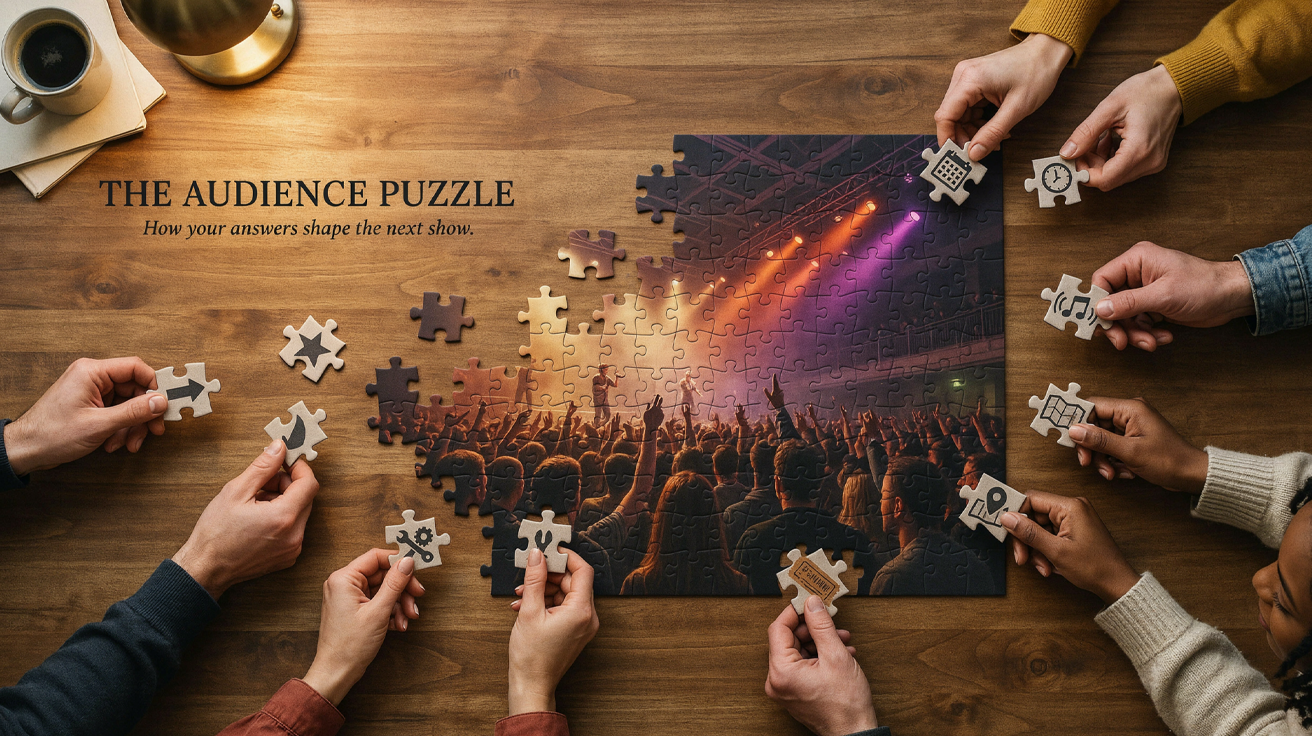
Planning a great event isn’t just about choosing a date, booking a venue, and putting tickets on sale.
The best event organizers listen to their audience before making the big decisions.
A simple survey can tell you when people want to attend, what types of events interest them, how much they’re comfortable paying, where they want events to happen, and whether they’re interested in coming back for your next event.
And you don’t have to wait until an event is over to start collecting this information.
With The Local Ticket, organizers can use surveys, polls, quizzes, and other interactive tools to gather audience feedback before, during, and after an event — turning audience opinions into useful information for future planning.
Here are seven questions worth asking.
📅 1. What Day and Time Would You Prefer?
One of the simplest questions can have a major impact on attendance:
“What day and time would you prefer for our next event?”
You could provide options such as:
- Friday evening
- Saturday afternoon
- Saturday evening
- Sunday afternoon
- Sunday evening
- Weekday evening
You can also ask about specific time ranges.
For example:
What time would you most likely attend an event?
- 12 PM–3 PM
- 3 PM–6 PM
- 6 PM–9 PM
- 9 PM or later
This information can be particularly useful when you’re deciding between multiple possible dates or event times.
Instead of relying entirely on assumptions, you can see what your actual audience says.
💡 Organizer Tip
Ask this question before your next event if you’re still planning the date. After the event, ask whether the actual event time worked for attendees.
Comparing the two can reveal whether your scheduling assumptions were accurate.
🎵 2. What Type of Events Are You Most Interested In?
Your audience may enjoy your current event — but that doesn’t necessarily mean they want exactly the same thing next time.
Ask:
“Which types of events would you be most interested in attending?”
Depending on your audience, your options could include:
- Live music
- Comedy
- Boxing or combat sports
- Networking events
- Festivals
- Food and drink events
- Family events
- Workshops
- Theatre
- Sporting events
- Cultural events
- Other
This question can help you identify opportunities for future events.
For example, you might discover that attendees who came to one type of event are also interested in completely different experiences.
That can help you build a broader event calendar rather than repeatedly promoting the same format.
📍 3. Where Would You Like to See More Events?
Location can make a huge difference in whether someone decides to attend.
Ask:
“Which locations would you be most likely to attend an event in?”
You could list cities, neighbourhoods, venues, or general areas.
For example:
- Downtown
- North York
- Scarborough
- Etobicoke
- Mississauga
- Brampton
- Markham
- Vaughan
You can also ask a more general question:
“How far would you travel to attend an event you’re interested in?”
Possible answers could include:
- Less than 15 minutes
- 15–30 minutes
- 30–60 minutes
- More than an hour
This gives you another piece of information when evaluating potential venues.
🧭 Think Beyond Your Current Venue
Your audience doesn’t necessarily live near the venue you’ve used before.
Survey responses can reveal geographic clusters that you might otherwise miss.
If a significant portion of your audience comes from another area, that could be useful information when considering future locations.
💰 4. What Ticket Price Would You Be Comfortable Paying?
Pricing is one of the most important pieces of information an organizer can collect.
Instead of simply guessing what people are willing to pay, ask them.
For example:
“What ticket price would you consider reasonable for this type of event?”
You might provide ranges such as:
- Under $20
- $20–$35
- $36–$50
- $51–$75
- $76–$100
- $100+
You can also ask about different ticket tiers.
For example:
“Which ticket option would interest you most?”
- General admission
- Reserved seating
- VIP
- Premium/VIP experience
- Group tickets
Remember that survey responses aren’t guarantees that someone will actually purchase at a particular price.
But they can provide useful feedback about how your audience perceives the value of an event.
⭐ 5. What Did You Like Most About the Event?
This is an especially useful post-event question.
Instead of asking only whether someone enjoyed the event, ask them what specifically worked.
For example:
“What did you enjoy most about the event?”
Possible answers:
- Performances
- Venue
- Atmosphere
- Food and drinks
- Entertainment
- Guest experience
- Seating
- Schedule
- Interactive activities
- Networking
- Other
You can also provide a text box for people to explain their answer.
The goal isn’t simply to collect compliments.
You’re looking for clues about what should be repeated at your next event.
If attendees consistently mention one particular aspect of the experience, that information can become part of your future event planning.
🛠️ 6. What Should We Improve?
This may be one of the most valuable questions you can ask.
Try:
“What is one thing we could improve for our next event?”
Give attendees an open-ended text field.
You may receive comments about:
- Venue accessibility
- Parking
- Wait times
- Seating
- Event length
- Food options
- Sound quality
- Check-in
- Ticketing
- Communication
- Scheduling
- Overall organization
Not every suggestion needs to be implemented.
But repeated feedback can identify patterns that are difficult to see from the organizer’s perspective.
🔎 Look for Patterns
One person’s complaint might be an isolated preference.
If dozens of attendees mention the same issue, that’s different.
Organizers should look for recurring themes rather than reacting to every individual comment.
That makes survey data much more useful.
🔄 7. Would You Attend Another Event From Us?
This question connects today’s event with tomorrow’s ticket sales.
Ask:
“Would you be interested in attending another event from us?”
You could offer:
- Definitely
- Probably
- Maybe
- Not at this time
You can then follow up with:
“What type of event would you be most interested in?”
Now you’re not simply measuring satisfaction.
You’re starting to understand the potential demand for your next event.
This is where surveys become part of an ongoing event-growth strategy.
📊 Before vs. After: Ask Different Questions
You don’t necessarily want to send the exact same survey before and after an event.
The information you need changes as your event gets closer.
Before the Event
Focus on planning:
- Preferred dates
- Preferred times
- Event types
- Locations
- Ticket-price expectations
- Activities people want
- Future event interests
After the Event
Focus on the experience:
- What attendees enjoyed
- What could be improved
- Whether the event met expectations
- Favourite parts of the experience
- Whether they’d attend another event
- What they’d like to see next
This creates a feedback loop:
Plan → Promote → Host → Survey → Improve → Repeat
🎮 Don’t Make Every Survey Feel Like a Survey
There’s another opportunity that event organizers sometimes overlook.
Not every audience interaction needs to feel like a formal questionnaire.
The Local Ticket can also be used for polls, quizzes, trivia, and interactive questions that make audience participation more entertaining.
For example, a sports event could ask:
“Who do you think will win tonight?”
A concert could run a poll about:
“Which artist should headline our next event?”
A comedy event could ask attendees to vote on their favourite performance.
A conference could collect quick feedback between sessions.
These interactions can provide useful audience information while also making people feel more involved.
🤝 Turn Feedback Into Event Growth
The real value of surveys isn’t collecting hundreds of responses and then forgetting about them.
It’s using the information to make better decisions.
Imagine your audience tells you:
Saturday evenings are preferred.
You discover:
Comedy and live music are the most requested event categories.
Your location survey shows:
Most attendees are willing to travel 30–60 minutes.
Your pricing survey suggests:
Most people are comfortable with mid-range ticket prices.
And after your event, attendees tell you:
They want more interactive entertainment.
Now you have several pieces of information that can influence your next event.
You can also combine this feedback with The Local Ticket’s affiliate network.
If performers, partners, influencers, or other promoters have referral links, they can help bring their audiences to your events. You can then use surveys and interactive tools to learn more about those audiences and what types of events they want next.
That creates a much more complete event-growth cycle:
Audience → Event → Feedback → Insights → Promotion → Next Event
📈 Use Your Audience Data to Build a Better Event Calendar
Over time, individual surveys become much more valuable when you look at them together.
After five or ten events, you may start seeing patterns.
Perhaps:
- Saturday events consistently outperform weekday events
- Certain genres attract repeat attendees
- One geographic area produces a large percentage of your audience
- Certain ticket prices generate more interest
- VIP experiences are particularly popular
- Your audience wants more events during certain seasons
- Certain performers consistently attract new attendees
These insights can help you move from planning individual events to building an actual event strategy.
Instead of asking:
“What event should we organize next?”
You can start asking:
“What does our audience data tell us they want next?”
That’s a much more informed way to build an event calendar.
🧠 Keep Your Surveys Short
One final tip: don’t turn every survey into a 30-question examination.
People are much more likely to complete a short survey.
For many situations, 5–10 well-chosen questions can provide plenty of useful information.
If you need more detailed information, consider splitting your questions across multiple interactions rather than asking everything at once.
You can also use polls and quizzes for quick questions and save longer surveys for information that genuinely requires more detail.
The objective isn’t to collect the most data.
It’s to collect useful data.
📝 The 7 Questions at a Glance
Here’s a simple checklist you can use when planning your next survey:
| Question | Best Time to Ask |
|---|---|
| 📅 What day and time do you prefer? | Before |
| 🎵 What types of events interest you? | Before |
| 📍 Where would you like to see events? | Before |
| 💰 What ticket price feels reasonable? | Before |
| ⭐ What did you like most? | After |
| 🛠️ What could we improve? | After |
| 🔄 Would you attend another event? | After |
You can then add follow-up questions based on the type of event you’re organizing.
🎟️ Better Events Start With Better Questions
Great event organizers don’t just ask people to buy tickets.
They pay attention to what their audience is telling them.
A simple survey can help you understand when people want to attend, what they want to see, where they want to go, what they’re comfortable paying, and what would bring them back.
And when surveys are combined with polls, quizzes, trivia, audience engagement, ticketing data, and an affiliate network, your event platform becomes more than a place to sell tickets.
It becomes a way to learn from your audience and use those insights to plan what comes next.
The next great event might already be hiding in your audience’s answers.
You just have to ask the right questions.